Catalog / invertebrates / Bee shrimp
invertebrate · Atyidae
Bee shrimp
Caridina logemanni
Wild range: Southeast Asia (Asia)
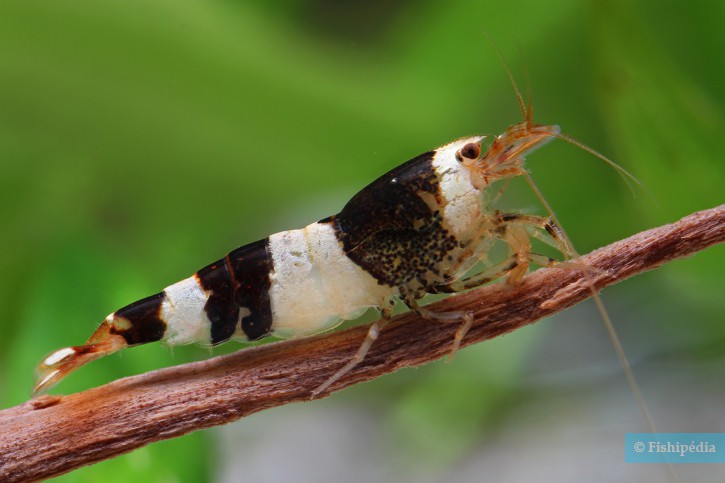
At a glance: Bee shrimp care
Compiled reference information. Review the care notes and original sources below.
What temperature is listed for Bee shrimp?
The compiled profile lists 15.0–26.0 °C for Bee shrimp (Caridina logemanni). Check the original sources below for context and differing recommendations.
What tank size is listed for Bee shrimp?
The profile lists a minimum tank volume of 2.6 US gallons (10.0 liters). Volume alone does not establish suitability; consider dimensions, group size and other inhabitants alongside the full care notes.
What pH is listed for Bee shrimp?
The compiled profile lists a pH of 5.0–7.5. Review the cited care sources alongside the other water parameters in this profile.
Natural habitat
Super Crystal Red Shrimp are typically found in cool, oxygen-rich streams in southern China and Hong Kong. Their natural habitat features soft, acidic water with minimal pollutants, which is essential for their health and breeding.
Where they are found
The species is commonly found in various freshwater habitats in Taiwan, which provides the stable temperature and soft water conditions needed for their survival.
Aquarium care
Maintain stable water parameters and provide a well-planted tank with soft substrate to accommodate their grazing habits.
Feeding
The diet consists mainly of plant matter and specially adapted protein foods, complemented with natural foods like brown foliage, which enhances molting processes and contributes to overall health.
Compatibility
Best kept in a shrimp-only tank or with small, peaceful fish that won't prey on them.
Breeding
To breed Caridina cantonensis, monitor water temperature closely, as it affects the gestation period of the eggs. Ensure that water quality remains high, as unhealthy conditions can lead to poor egg survivability.
Sources
Compiled from multiple independent care sheets — not copied from a single site.