Catalog / fish / Kenyi cichlid
fish · Cichlidae
Kenyi cichlid
Maylandia lombardoi
Wild range: Lake Malawi (Africa)
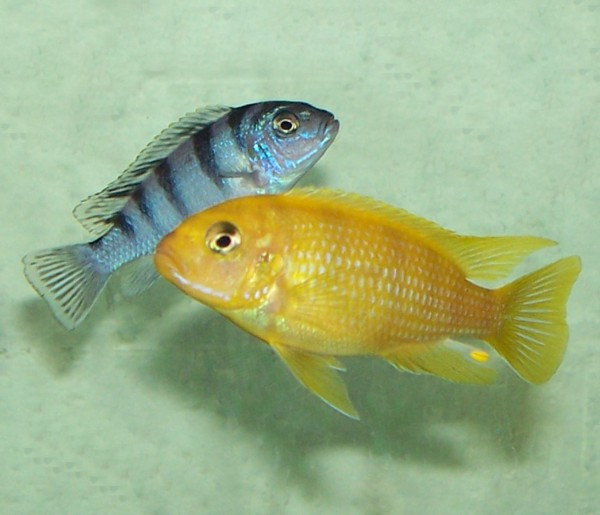
At a glance: Kenyi cichlid care
Compiled reference information. Review the care notes and original sources below.
What temperature is listed for Kenyi cichlid?
The compiled profile lists 21.0–28.0 °C for Kenyi cichlid (Maylandia lombardoi). Check the original sources below for context and differing recommendations.
What tank size is listed for Kenyi cichlid?
The profile lists a minimum tank volume of 50.0 US gallons (189.3 liters). Volume alone does not establish suitability; consider dimensions, group size and other inhabitants alongside the full care notes.
What pH is listed for Kenyi cichlid?
The compiled profile lists a pH of 7.5–8.6. Review the cited care sources alongside the other water parameters in this profile.
Natural habitat
Kenyi cichlids are endemic to Lake Malawi, primarily found along rocky shores and sandy regions where they establish territory in rocky nests. They typically dwell at depths up to 10 meters, where they thrive among rocks and sandy bottoms.
Where they are found
Native to Lake Malawi in East Africa, the Kenyi cichlid prefers areas with rocky substrates, which aid in their breeding and territorial activities. The presence of varied topography allows for a dynamic environment that supports numerous species interactions.
Aquarium care
To accommodate their aggressive nature, Kenyi cichlids require a spacious aquarium of at least 208 liters, with plenty of hiding spots such as caves and rocky structures to establish territories. It's advisable to use a robust filter to maintain water quality.
Feeding
Kenyi cichlids are omnivorous and require a varied diet that includes high-quality flakes, pellets, frozen or live foods like brine shrimp, daphnia, and vegetables. It is advisable to feed smaller portions multiple times daily, ensuring that leftover food does not compromise water quality.
Compatibility
Due to their aggressive nature, Kenyi cichlids are best kept in species-specific tanks or with other similarly aggressive cichlids. Having one male with multiple females can help to mitigate male aggression. It is crucial to avoid community tanks with smaller, peaceful species to prevent predatory behavior.
Breeding
Breeding can occur when a male is introduced to several females in a dedicated tank with soft substrate and rocky areas for egg laying. Both diet and territorial behavior are crucial to successful spawning.
Sources
Compiled from multiple independent care sheets — not copied from a single site.