Catalog / invertebrates / Ramshorn snail
invertebrate · Planorbidae
Ramshorn snail
Planorbella duryi
Wild range: Southeast and Great Lakes (North America)
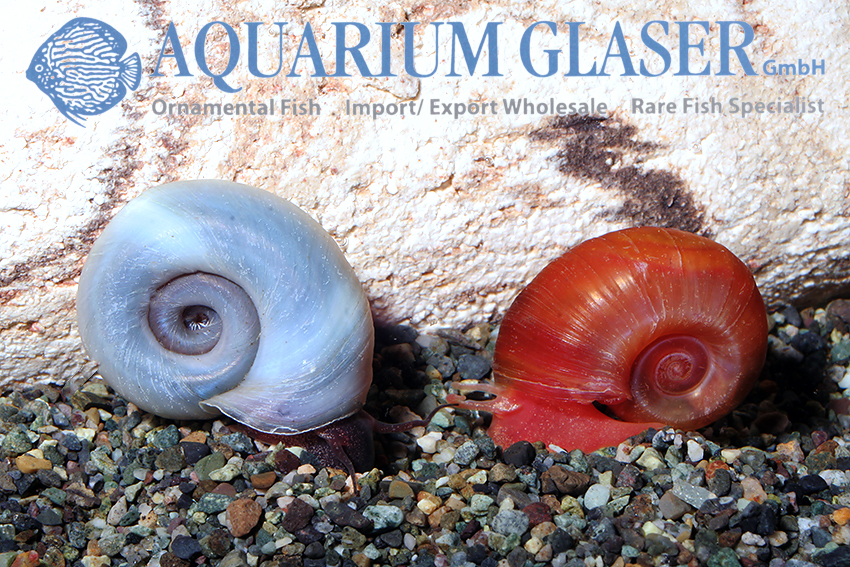
At a glance: Ramshorn snail care
Compiled reference information. Review the care notes and original sources below.
What temperature is listed for Ramshorn snail?
The compiled profile lists 18.0–28.0 °C for Ramshorn snail (Planorbella duryi). Check the original sources below for context and differing recommendations.
What tank size is listed for Ramshorn snail?
The profile lists a minimum tank volume of 2.6 US gallons (10.0 liters). Volume alone does not establish suitability; consider dimensions, group size and other inhabitants alongside the full care notes.
What pH is listed for Ramshorn snail?
The compiled profile lists a pH of 6.5–8.0. Review the cited care sources alongside the other water parameters in this profile.
Natural habitat
Ramshorn snails thrive in slow-moving rivers, ponds, and vegetated waters with rich organic matter. They prefer habitats where the water is warm, often found in nutrient-rich environments that are common in home aquariums.
Where they are found
Originally from California, the Californian Ramshorn Snail is adapted to fluctuating temperatures found in its native streams and lakes, often existing in areas with minimal human impact. The species has become popular in the aquarium trade, but care should be taken not to release these snails back into the wild as they may disrupt local ecosystems.
Aquarium care
In an aquarium setting, Planorbella duryi requires minimal care. They thrive in a well-maintained tank with stable water parameters. Regular feeding with algae wafers, plant matter, and occasional blanched vegetables will help them flourish. Ensure that the tank is well-planted to provide hiding spots and grazing surfaces for the snails. Regular water changes and good filtration will enhance their living conditions.
Feeding
Ramshorn snails are opportunistic omnivores that feed on algae, uneaten fish food, and organic debris. It's important to supplement their diet with blanched vegetables and calcium sources for strong shell development, and monitor feeding to prevent overpopulation.
Compatibility
Planorbella duryi is generally compatible with a wide range of community fish and invertebrates. They do best in peaceful environments and may be overwhelmed by very aggressive tank mates. Their ability to reproduce quickly can lead to population booms, so monitoring their numbers is advisable in community settings.
Breeding
Breeding occurs when the snails lay transparent egg clutches on various surfaces within the tank. These clutches contain up to 15 eggs, hatching in about 10-12 days, depending on the water temperature. Higher temperatures speed up the development process, making them an attractive option for aquarists interested in breeding.
Sources
Compiled from multiple independent care sheets — not copied from a single site.