fish · Osphronemidae
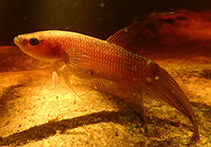
Iban betta
Betta ibanorum
Wild range: Southeast Asia (Asia)
At a glance: Iban betta care
Compiled reference information. Review the care notes and original sources below.
What temperature is listed for Iban betta?
The compiled profile lists 21.0–30.0 °C for Iban betta (Betta ibanorum). Check the original sources below for context and differing recommendations.
What tank size is listed for Iban betta?
The profile lists a minimum tank volume of 1.0 US gallons (3.8 liters). Volume alone does not establish suitability; consider dimensions, group size and other inhabitants alongside the full care notes.
What pH is listed for Iban betta?
The compiled profile lists a pH of 4.0–8.0. Review the cited care sources alongside the other water parameters in this profile.
Natural habitat
Bettas are naturally found in shallow waters, rice paddies, and marshes in Southeast Asia. They prefer warm, slow-moving water with plenty of plants and debris where they can hide.
Where they are found
Populations of Betta ibanorum are primarily located in Sarawak, where variations in water chemistry can influence their habitat preferences. Some thrive in very soft, acidic conditions while others exist in slightly higher pH waters.
Aquarium care
In captivity, Brown Bettas require a well-planted aquarium with plenty of hiding spots. Maintaining stable water parameters and ensuring a slow flow are essential for their well-being and breeding success.
Feeding
Bettas thrive on a varied diet consisting of high-quality pellets, live worms, and occasional treats like brine shrimp. Avoid overfeeding to prevent health issues.
Compatibility
While generally community safe, male Brown Bettas may display aggressiveness towards each other and fin-nipping towards smaller or more timid species. It is advisable to house them only with species that can tolerate some aggression.
Breeding
Breeding Betta ibanorum requires careful observation, as they are paternal mouth brooders. The breeding process involves a courting display where the male and female embrace, and the male collects fertilized eggs in his mouth. Care must be taken during this time to ensure the male is adequately fed while brooding.
Sources
Compiled from multiple independent care sheets — not copied from a single site.