fish · Acestrorhamphidae
Red-eye tetra
Moenkhausia sanctaefilomenae
Wild range: Paraná, Paraguay, São Francisco and Uruguay basins (South America)
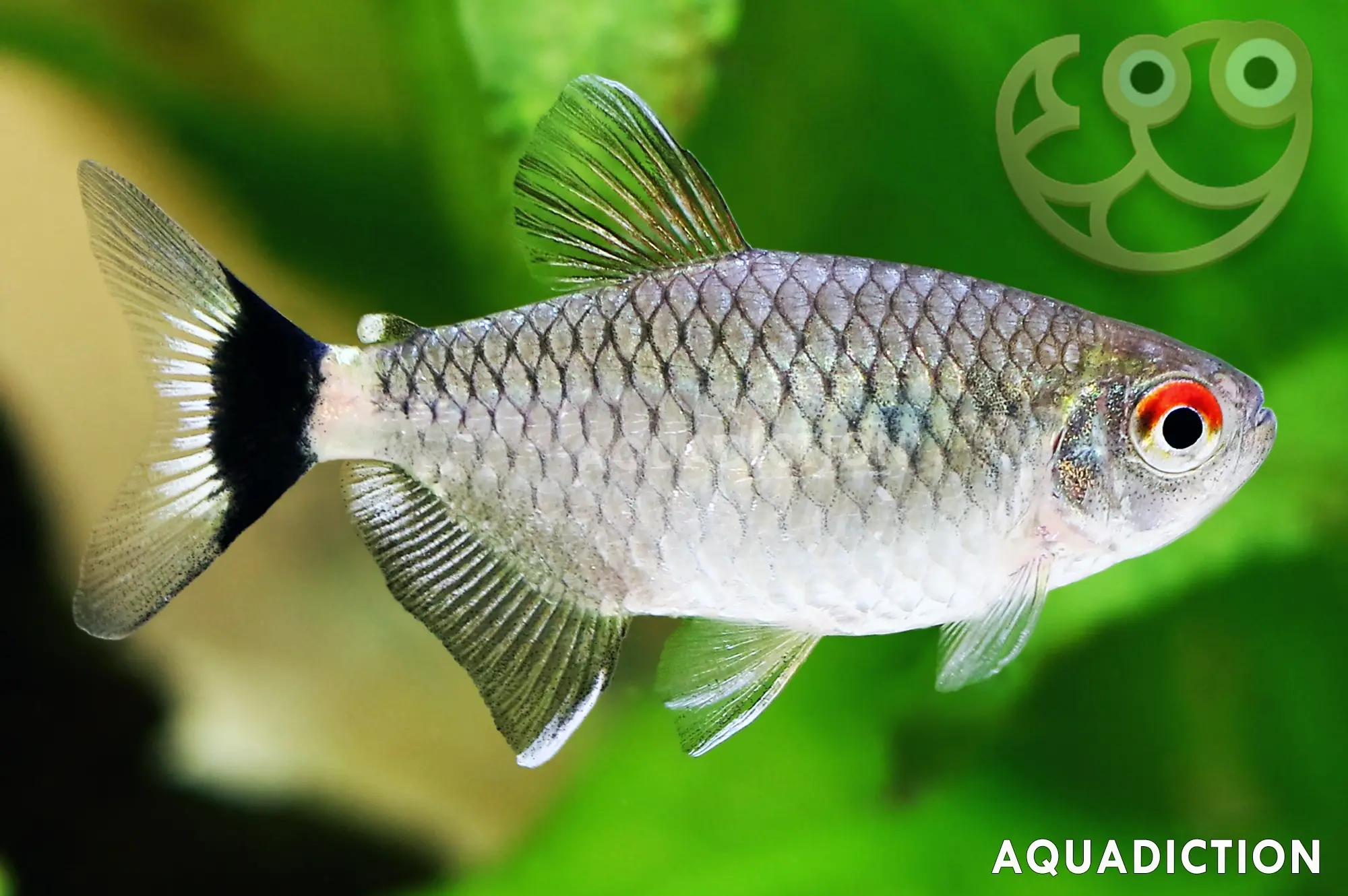
At a glance: Red-eye tetra care
Compiled reference information. Review the care notes and original sources below.
What temperature is listed for Red-eye tetra?
The compiled profile lists 24.0–26.0 °C for Red-eye tetra (Moenkhausia sanctaefilomenae). Check the original sources below for context and differing recommendations.
What tank size is listed for Red-eye tetra?
The profile lists a minimum tank volume of 10.0 US gallons (38.0 liters). Volume alone does not establish suitability; consider dimensions, group size and other inhabitants alongside the full care notes.
What pH is listed for Red-eye tetra?
The compiled profile lists a pH of 6.8–7.8. Review the cited care sources alongside the other water parameters in this profile.
Natural habitat
Red-eye tetras live in rivers, streams and floodplain waters of the upper Paraná, Paraguay, São Francisco, Parnaíba and Uruguay basins in central and southern South America.
Where they are found
Found in the Parnaíba, São Francisco, upper Paraná, Paraguay and Uruguay basins in Brazil, Bolivia, Paraguay and Uruguay. Taxonomy note: Catalog of Fishes and FishBase now place this species as Bario sanctaefilomenae; the established trade name Moenkhausia sanctaefilomenae is kept as the primary name here.
Aquarium care
Provide a well-planted aquarium with dark substrates to highlight their colors. Maintain stable water parameters, ensuring good filtration and regular water changes of at least 10% weekly. Use gentle currents and avoid direct sunlight to minimize stress.
Feeding
An omnivore that eats worms, insects, small crustaceans and plant matter. In the aquarium it takes flakes, small pellets and live or frozen foods. Feed small amounts once or twice a day.
Compatibility
A peaceful shoaling tetra; keep at least six. Good tankmates include other tetras, small rasboras, danios, peaceful barbs and corydoras.
Breeding
Spawns in pairs or groups among fine-leaved plants, scattering its eggs. The adults eat their own eggs, so remove them after spawning. The eggs hatch in about 24–36 hours.
Sources
Compiled from multiple independent care sheets — not copied from a single site.