Catalog / fish / Whiptail catfish
fish · Loricariidae
Whiptail catfish
Rineloricaria fallax
Wild range: Amazon Basin (South America)
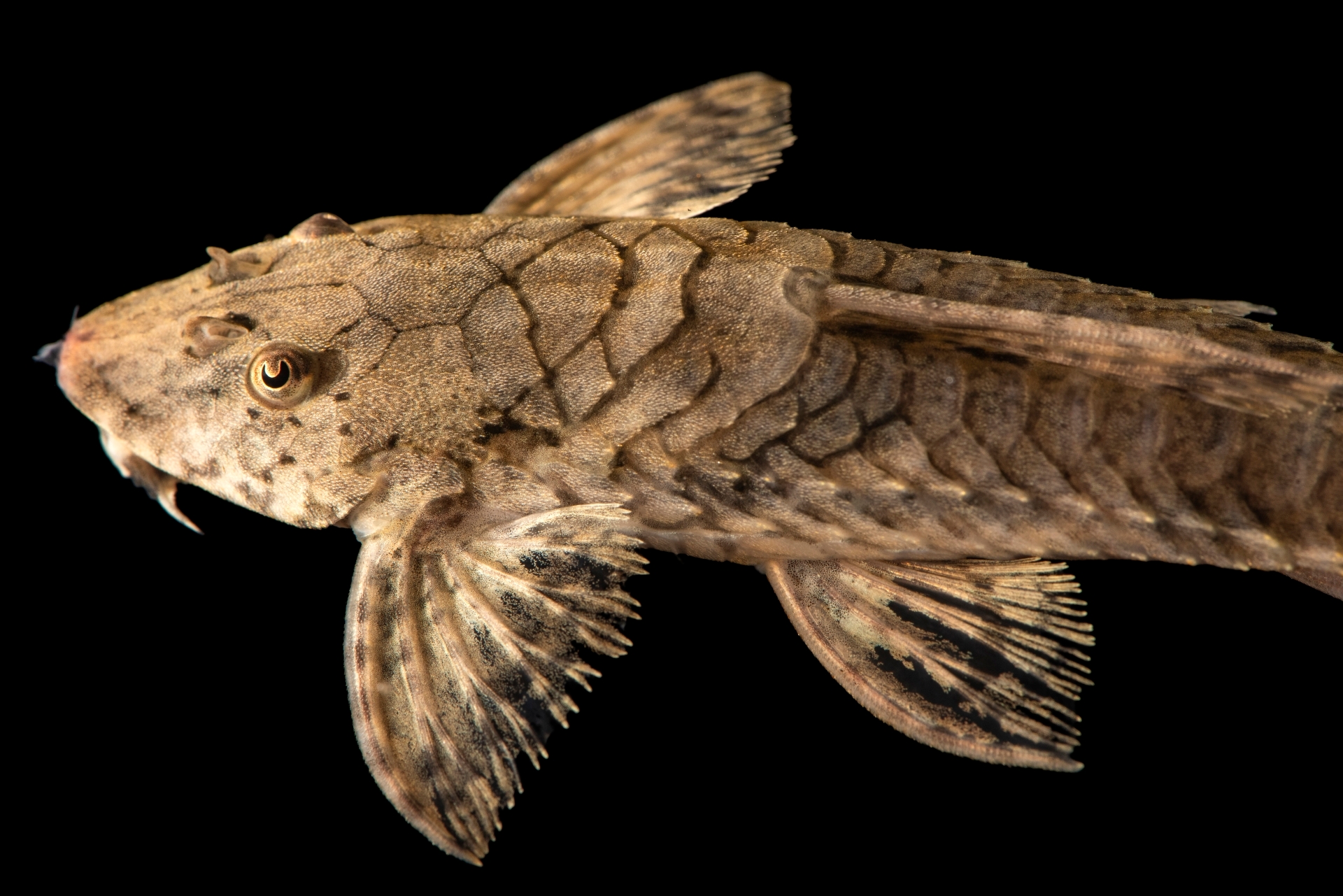
At a glance: Whiptail catfish care
Compiled reference information. Review the care notes and original sources below.
What temperature is listed for Whiptail catfish?
The compiled profile lists 22.0–29.0 °C for Whiptail catfish (Rineloricaria fallax). Check the original sources below for context and differing recommendations.
What tank size is listed for Whiptail catfish?
The profile lists a minimum tank volume of 20.0 US gallons (75.0 liters). Volume alone does not establish suitability; consider dimensions, group size and other inhabitants alongside the full care notes.
What pH is listed for Whiptail catfish?
The compiled profile lists a pH of 6.0–7.5. Review the cited care sources alongside the other water parameters in this profile.
Natural habitat
The Red Lizard Whiptail Catfish is native to the Amazon Basin and is often found in sandy substrates where they can exhibit their natural burrowing behavior. They thrive in moderately flowing waters among vegetation and debris, which provides them shelter and foraging opportunities.
Where they are found
This species has a distribution thought to be predominantly in Paraguay, although further details about its natural range remain unclear due to it being a potentially man-made hybrid.
Aquarium care
For optimal care, provide whiptail catfish with clean, well-oxygenated water and a spacious tank with a footprint of at least 75 cm. Regular water changes are crucial to maintain low nitrite levels and stable conditions. They thrive in slightly acidic to neutral pH and should be fed a diversified diet, including sinking pellets, algae wafers, and occasional protein sources such as frozen bloodworms or brine shrimp.
Feeding
Red Lizard Whiptail Catfish primarily consume a herbivorous diet, feeding on algae and biofilms present in the aquarium. Provide them with algae wafers, blanched vegetables, and high-quality sinking pellets to meet their dietary needs.
Compatibility
Whiptail catfish generally do well in community tanks with other peaceful species. They are compatible with small tetras, rasboras, and corydoras. Avoid aggressive or larger fish that may intimidate them or compete for food. Their peaceful nature makes them an excellent addition to a low-stress aquarium environment.
Breeding
To breed this species, introduce a group of six or more juveniles, conditioned with high-quality foods. Males will prepare spawning sites in caves. After fertilization, males guard the eggs until they hatch after 4-5 days.
Sources
Compiled from multiple independent care sheets — not copied from a single site.