Catalog / fish / Giant brochis
fish · Callichthyidae
Giant brochis
Brochis multiradiatus
Wild range: Amazon Basin (South America)
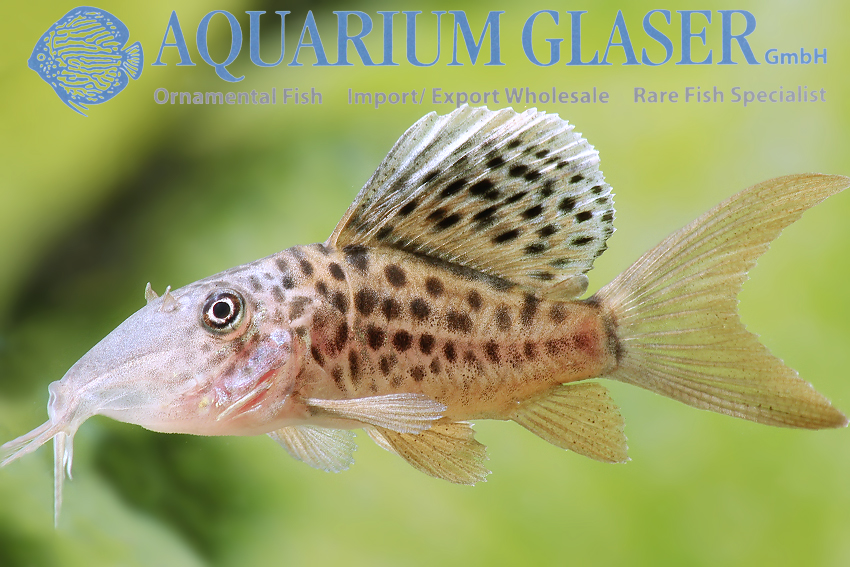
At a glance: Giant brochis care
Compiled reference information. Review the care notes and original sources below.
What temperature is listed for Giant brochis?
The compiled profile lists 22.0–28.0 °C for Giant brochis (Brochis multiradiatus). Check the original sources below for context and differing recommendations.
What tank size is listed for Giant brochis?
The profile lists a minimum tank volume of 30.0 US gallons (100.0 liters). Volume alone does not establish suitability; consider dimensions, group size and other inhabitants alongside the full care notes.
What pH is listed for Giant brochis?
The compiled profile lists a pH of 6.0–8.0. Review the cited care sources alongside the other water parameters in this profile.
Natural habitat
Brochis multiradiatus, commonly known as the Emerald Catfish, thrives in slow-moving freshwater environments such as rivers and streams across the Amazon Basin. These habitats offer a rich variety of plant life and soft substrates, providing both shelter and foraging opportunities.
Where they are found
This species inhabits regions with light tannins in the water from decomposing plant matter, which plays an important role in providing a natural habitat.
Aquarium care
Emerald Catfish are hardy and easy to care for, making them suitable for beginners. They appreciate a well-planted aquarium with ample hiding spots. Regular water changes and a gentle filtration system are crucial to maintain optimal water quality. These fish thrive in groups, so it is advised to keep them in schools of at least three or more.
Feeding
In captivity, they thrive on high-quality sinking catfish pellets, frozen foods, and occasional live foods. It's essential to ensure that food reaches the bottom of the tank, as they may not compete well with more active fish.
Compatibility
Hog-nosed Brochis are very peaceful and can be kept with a variety of other gentle Amazonian species such as Tetras and Rasboras. It's important to avoid aggressive or larger predatory fish that may pose a threat to them.
Breeding
Breeding Emerald Catfish in captivity can be achieved by mimicking their natural environment. A separate breeding tank with slightly cooler water and gentle flow can encourage spawning. Look for eggs laid on flat surfaces and perform regular water changes to maintain good water quality.
Sources
Compiled from multiple independent care sheets — not copied from a single site.